
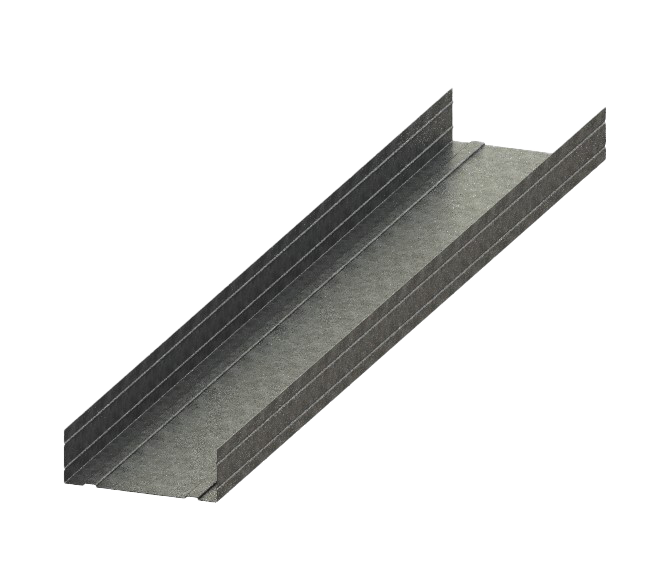
RUNNER METAL PROFILES
Technical Specifications of Drywall Runner Profiles
The Drywall Runner Profile (also known as a Track) serves as the primary horizontal framing component in dry construction systems. These essential steel profiles are installed at both the floor and ceiling levels to create a secure perimeter for the wall assembly. By acting as a guide and structural anchor, the Runner profile ensures the precise alignment and stability of the vertical studs within the drywall partition.
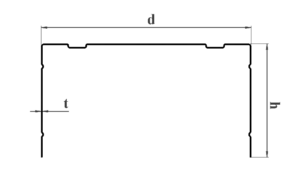
Our Runner profiles are manufactured in a precision U-shaped cross-section, specifically engineered to facilitate easy installation and high load-bearing capacity. To ensure maximum durability and resistance to environmental factors, every galvanized profile we produce utilizes high-quality zinc-coated steel sheets, adhering strictly to both national and international standards.
Key advantages of utilizing a standard Drywall Runner profile include:
Structural Precision: Provides a perfectly straight horizontal track for wall framing.
Standardized Production: Manufactured using advanced cold-forming technology from premium galvanized steel profiles.
Corrosion Resistance: The galvanized coating protects the profile against moisture and oxidation, extending the life of the building structure.
Compliance: Fully compliant with global construction codes for safety and performance.
Whether for residential or industrial projects, selecting a high-grade Runner profile is crucial for the overall integrity of the drywall profile system.
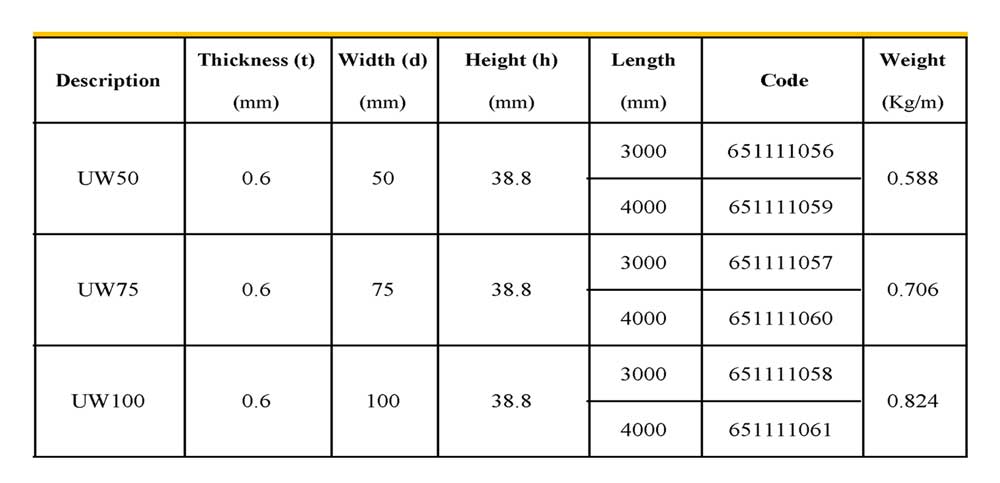
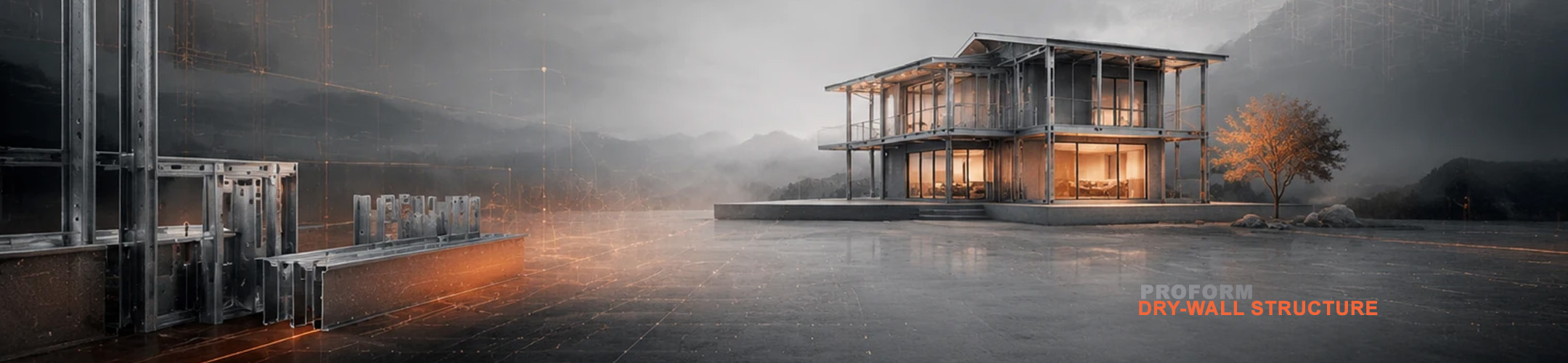
Drywall Profile Systems for Strong, Precise, and Durable Drywall Construction
Drywall profile systems are the core of dry construction and play a vital role in the quality, strength, and durability of interior walls and linings. A high-quality drywall profile provides the stable framework needed to achieve accurate installation, perfect alignment, and long-lasting performance. These systems are typically made from galvanized steel profile components such as studs, tracks, angles, and complementary connectors, all of which work together to create a secure and precise substructure for gypsum board installation.
The correct drywall profile not only improves wall rigidity but also helps maintain plumb, level, and stable surfaces during and after construction. When the right profile is selected and installed properly, the result is a lighter structure, faster execution, and a cleaner final finish. On the other hand, using an unsuitable profile, incorrect stud spacing, weak connections, or poor reinforcement around openings can lead to vibration, surface deformation, cracks in joints, and reduced structural quality.
Choosing the right profile for a drywall project depends on several factors, including wall height, building use, number of board layers, acoustic and thermal requirements, moisture conditions, service routes, and the need to support wall-mounted equipment. For this reason, a drywall profile should always be selected based on real project conditions rather than general assumptions.
In modern construction, the profile is not just a simple support element; it is an engineered component that directly affects safety, efficiency, and durability. Using a standard galvanized profile, precise installation, and skilled workmanship ensures a reliable drywall system with excellent technical performance and long service life.